

Originally written in 2023. Updated and published on March 9, 2026.
The Ethical Side of Marketing APIs
In today’s digital environment, marketing is no longer limited to isolated platforms or one-way communication. It is increasingly driven by connected systems, real-time data, and automation. One of the key technologies behind this shift is the application programming interface, or API. By linking marketing platforms, customer data systems, analytics tools, and content channels, APIs help businesses build faster, smarter, and more responsive marketing ecosystems.

What Are APIs, and Why Do They Matter in Marketing?
An API allows different software systems to communicate with one another. In marketing, this means that tools which were once separate can now work together more seamlessly. A CRM can share customer data with an email platform. A website can send user behavior data into analytics dashboards. Advertising, social media, and reporting tools can all exchange information in ways that improve coordination and decision-making.
This matters because modern marketing depends on integration. Without APIs, marketers often work across disconnected systems, leading to duplicated effort, fragmented customer views, and slower campaign adjustments. With APIs, businesses can connect these touchpoints and create a more unified, data-informed strategy.
Real-World Uses of APIs in Marketing
Customer relationship management integration
CRM platforms are central to modern marketing because they store valuable customer information, including preferences, interactions, and purchase history. Through API integrations, CRM data can be connected with email marketing systems, customer support tools, and advertising platforms. This allows businesses to deliver more personalized campaigns based on real customer behavior rather than broad assumptions.
Social media automation and monitoring
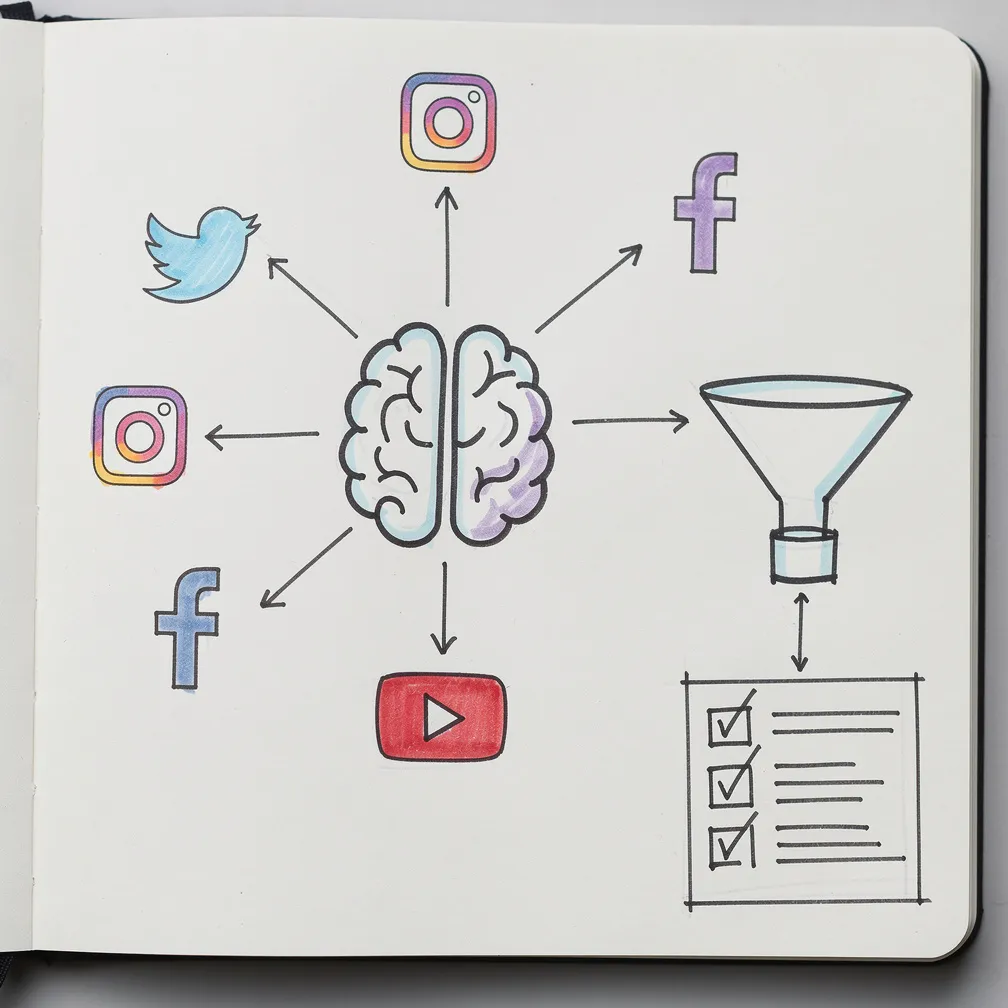
Maintaining a strong social media presence requires more than posting regularly. APIs provided by social platforms enable marketers to schedule content, track engagement, monitor campaign performance, and in some cases assess sentiment around a brand or topic. This gives marketers better visibility into audience reactions and allows them to respond more quickly to changes in public conversation.
Analytics and performance insights
Analytics APIs help marketers access real-time or near-real-time performance data from websites, campaigns, and digital channels. By integrating this data with dashboards or other internal tools, businesses can evaluate results more efficiently and adjust strategies as conditions change. This makes campaigns more agile and supports faster, evidence-based decisions.
Personalization at scale
One of the most powerful benefits of APIs in marketing is the ability to personalize experiences across channels. APIs can connect product catalogs, recommendation engines, user profiles, and content systems to help deliver more relevant messages. This can improve engagement, strengthen customer relationships, and increase the effectiveness of digital campaigns.
The Ethical Side of Marketing APIs
Although APIs offer major strategic benefits, they also raise important ethical and operational concerns. Many integrations rely on the collection, transfer, and use of customer data. If these systems are poorly designed or weakly secured, they can increase the risk of privacy violations, unauthorized access, or misuse of personal information.
As marketing becomes more data-driven, businesses must think carefully about how data is collected, shared, and protected. Responsible use of APIs should include strong security practices, transparency about data use, and compliance with relevant privacy regulations. Beyond legal compliance, ethical API use is also about preserving customer trust. Consumers are increasingly aware of how their data is handled, and brands that fail to protect that trust may face reputational as well as regulatory consequences.
While APIs offer numerous advantages, they also come with their set of challenges, mainly centered on data privacy and security. With data breaches becoming increasingly common, it’s crucial for businesses to ensure that their API integrations prioritize user data protection. As marketing becomes more data-driven, the ethical considerations of data collection and usage come to the forefront.
Conclusion
As marketing becomes more data-driven, businesses must think carefully about how data is collected, shared, and protected. Responsible use of APIs should include strong security practices, transparency about data use, and compliance with relevant privacy regulations. Beyond legal compliance, ethical API use is also about preserving customer trust. Consumers are increasingly aware of how their data is handled, and brands that fail to protect that trust may face reputational as well as regulatory consequences.
The relationship between marketing and API tools reflects the broader shift toward connected, intelligent, and data-driven business practices. APIs are helping marketers break down silos, automate repetitive tasks, improve personalization, and make more informed decisions. At the same time, they require careful attention to privacy, security, and ethical responsibility.
