

This article contains AI-assisted content and has been reviewed and published by a human editor.
Quick summary: the headline changes
In early March 2026 Meta announced it will count only actual link clicks as click‑through attribution, move likes/shares/saves/comments into a separate “engage‑through” bucket (renaming the old “engaged‑view” metric), and shorten the video engaged‑view threshold from 10 seconds to 5 seconds. Search Engine Land covered the update in detail.
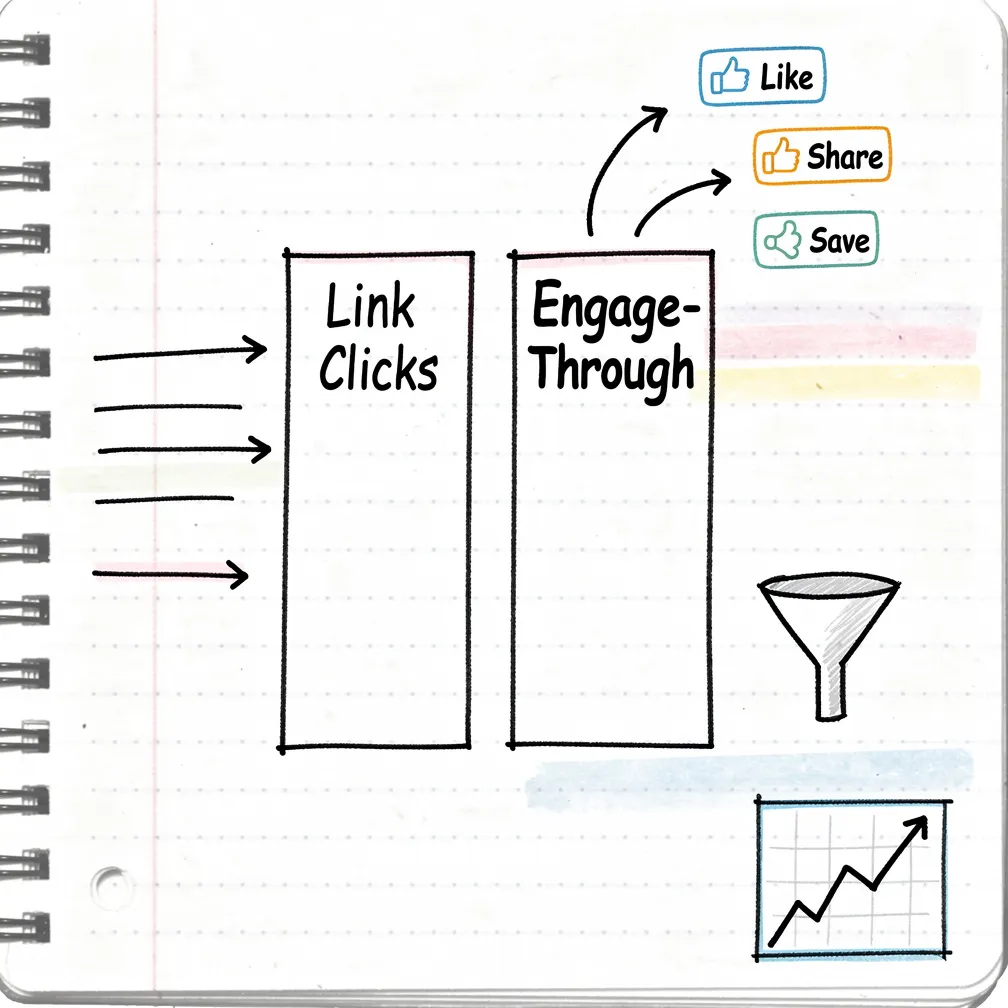
Why Meta did this
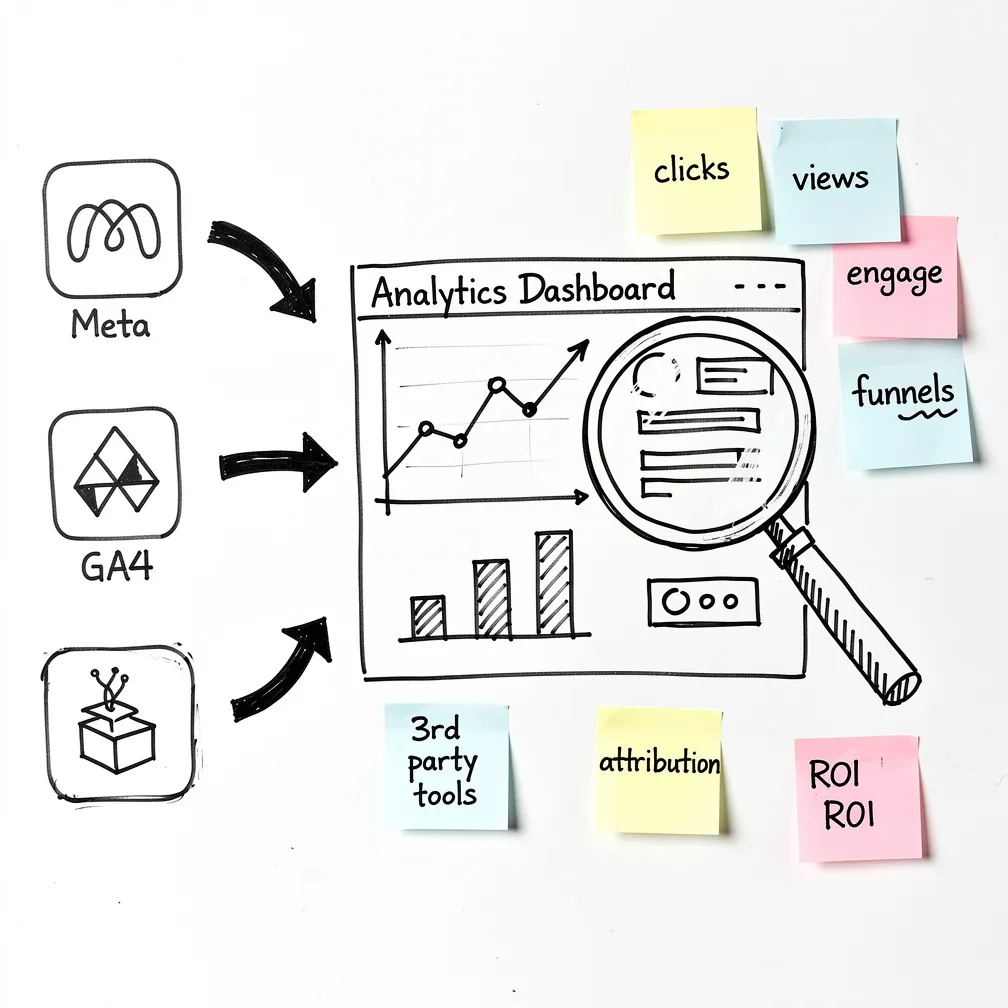
Meta says the update reduces persistent discrepancies between Ads Manager and third‑party analytics tools that historically counted only outbound link clicks (for example, Google Analytics), while still preserving a way to value social interactions that influence conversions. The company also shared that partners like Northbeam and Triple Whale will be part of efforts to fold both clicks and views into combined attribution models.
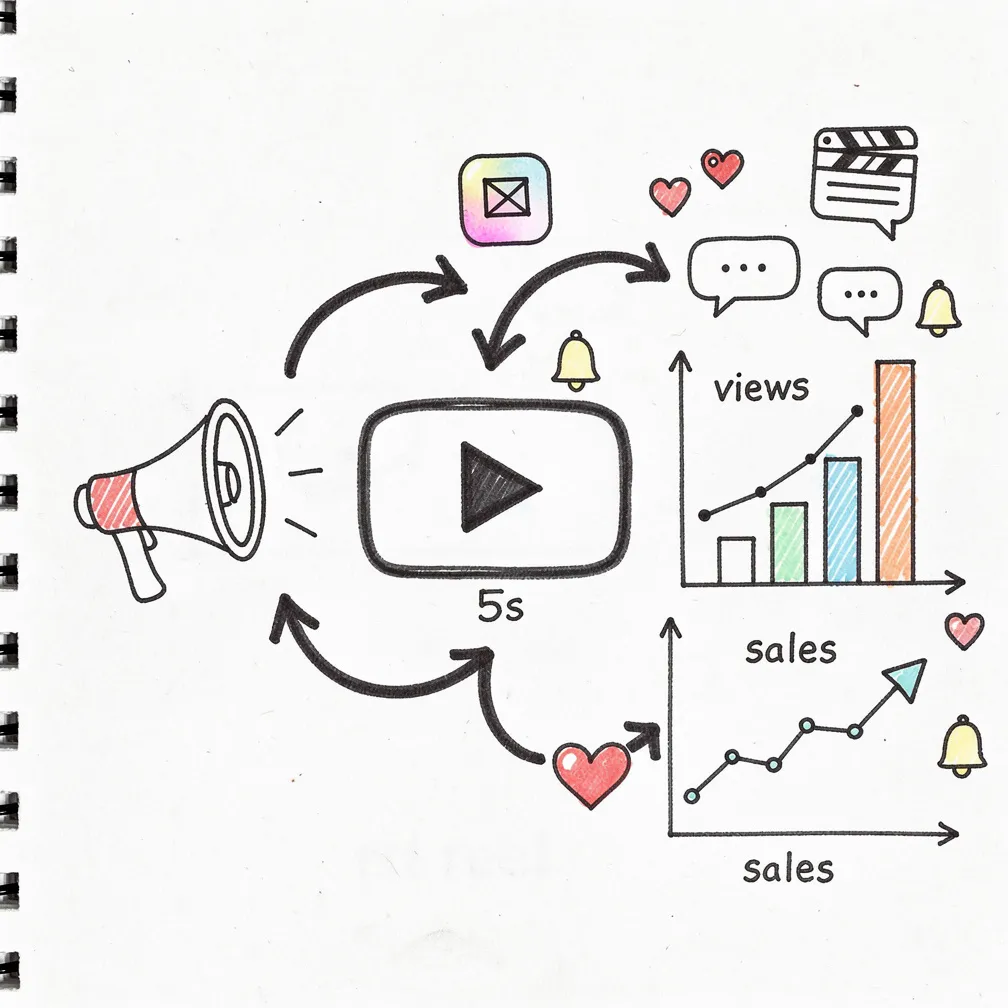
What advertisers should expect in reporting
Practically, many accounts will see a drop in reported click‑through conversions inside Ads Manager — not because performance suddenly got worse, but because some conversions previously labelled as “clicks” are now reported under engage‑through. Several paid‑media analysts have already advised media buyers to add the new engage‑through column to dashboards and to prepare clients for the reclassification.
Who is talking about it on X
Jon Loomer (X: @jonloomer) posted extensive coverage on his site and broke the change down into practical implications, noting that remarketing setups and audiences built around prior “click” definitions could be most affected — and advising advertisers to review retargeting windows and attribution columns immediately. His writeups are a quick reference for tactical next steps.
Operational checklist: what to do this week
First, update client reports and internal dashboards to include both click‑through (link clicks) and engage‑through metrics so you can show continuity of signal. Second, recheck remarketing and lookalike audiences that rely on non‑link interactions — some of those may now require explicit inclusion under engage‑through settings to be usable. Third, if you rely on blended ROAS or cross‑channel dashboards, revisit your multipliers or adjustment factors so historic comparisons remain valid. Industry coverage and vendor guides offer specific migration steps for common stacks.
Measurement and strategic implications
The net effect should be cleaner, more comparable click metrics across platforms — better for auditors and cross‑platform attribution — while keeping room to value social engagement separately. However, advertisers that optimized heavily on “engagement as a proxy for intent” (for example, campaigns that drove lots of saves/shares but few outbound clicks) may see their reported click‑driven ROAS decline and should move to blended or incrementality testing to prove value.
Brief conclusion: rethink measurement before panicking
Meta’s change is largely a reclassification to make Ads Manager align better with external analytics and to surface social interactions in their own bucket. Marketers should not treat the first post‑rollout reports as a performance collapse — treat them instead as the new baseline, adjust dashboards, and run incrementality tests where possible to understand real business impact.
