
This article contains AI-assisted content and has been reviewed and published by a human editor.
Quick overview: what changed and why it matters
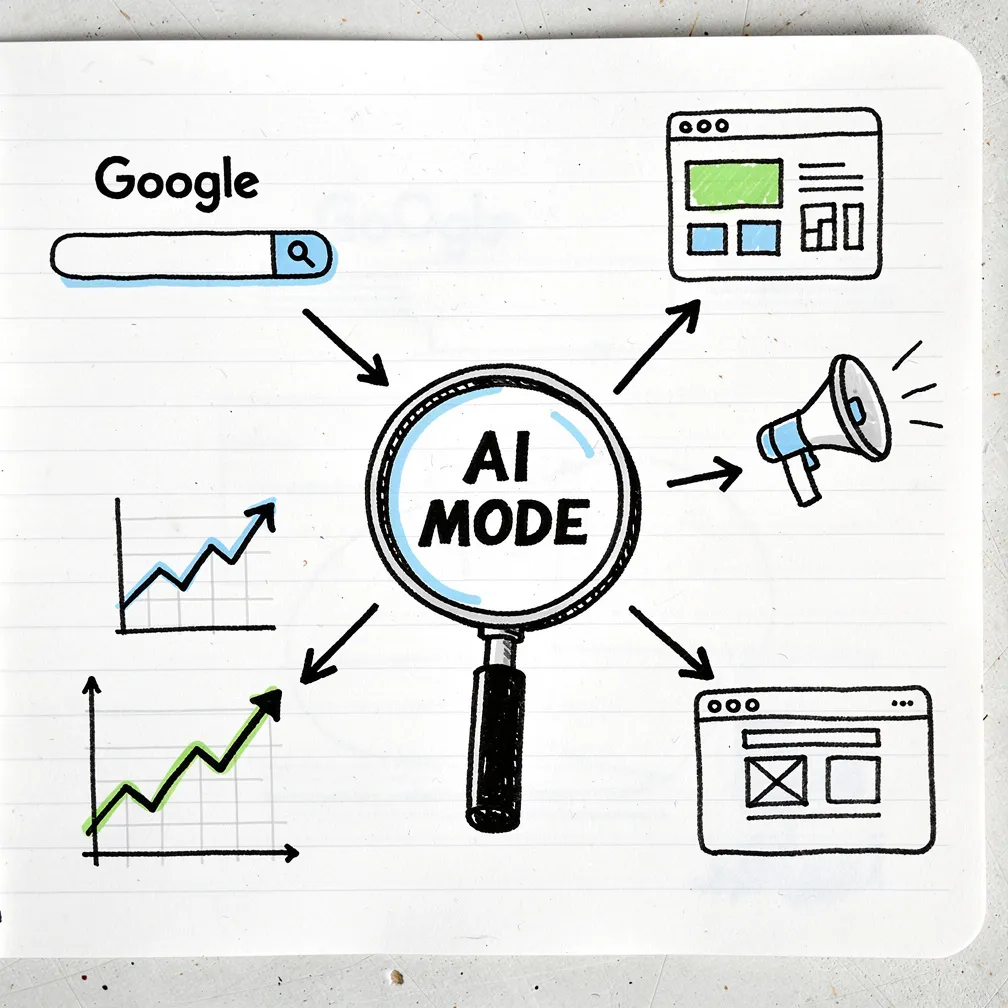
In mid‑March 2026 the SEO community flagged two linked developments: large‑scale analysis showing Google’s AI Mode is routing a much larger share of answer citations back to Google‑owned pages, and Search Console gaining new AI and branded query visibility that helps publishers measure those effects. Search Engine Journal covered the AI Mode citation shift.
What the citation data shows
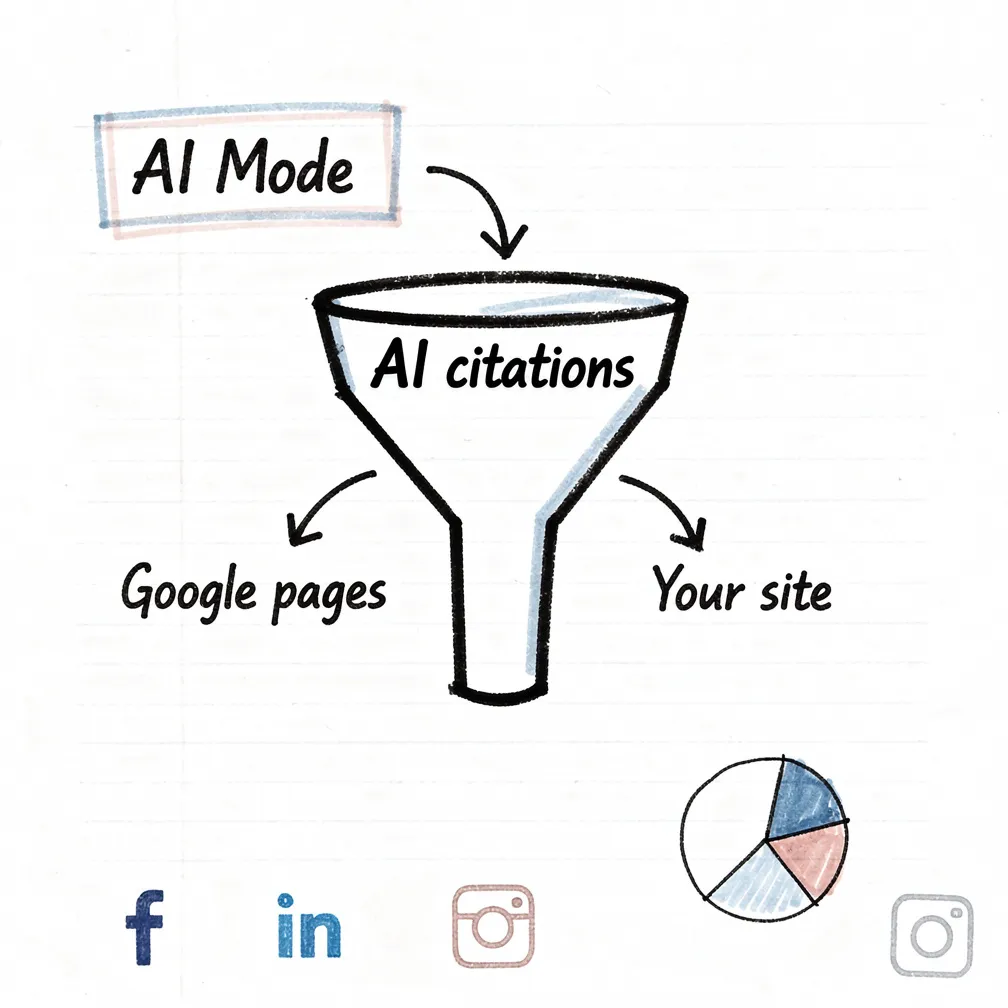
SE Ranking’s recent analysis (reported by industry outlets in early March) found Google‑owned domains now account for a sizable single‑digit to low‑double‑digit share of AI Mode citations — roughly in the high teens to low twenties depending on the dataset — up markedly from summer 2025 levels. That means one in about five AI Mode citations now routes users into Google properties instead of third‑party pages, which changes how discovery and referral traffic behave in AI answers.
Search Console and product surface updates
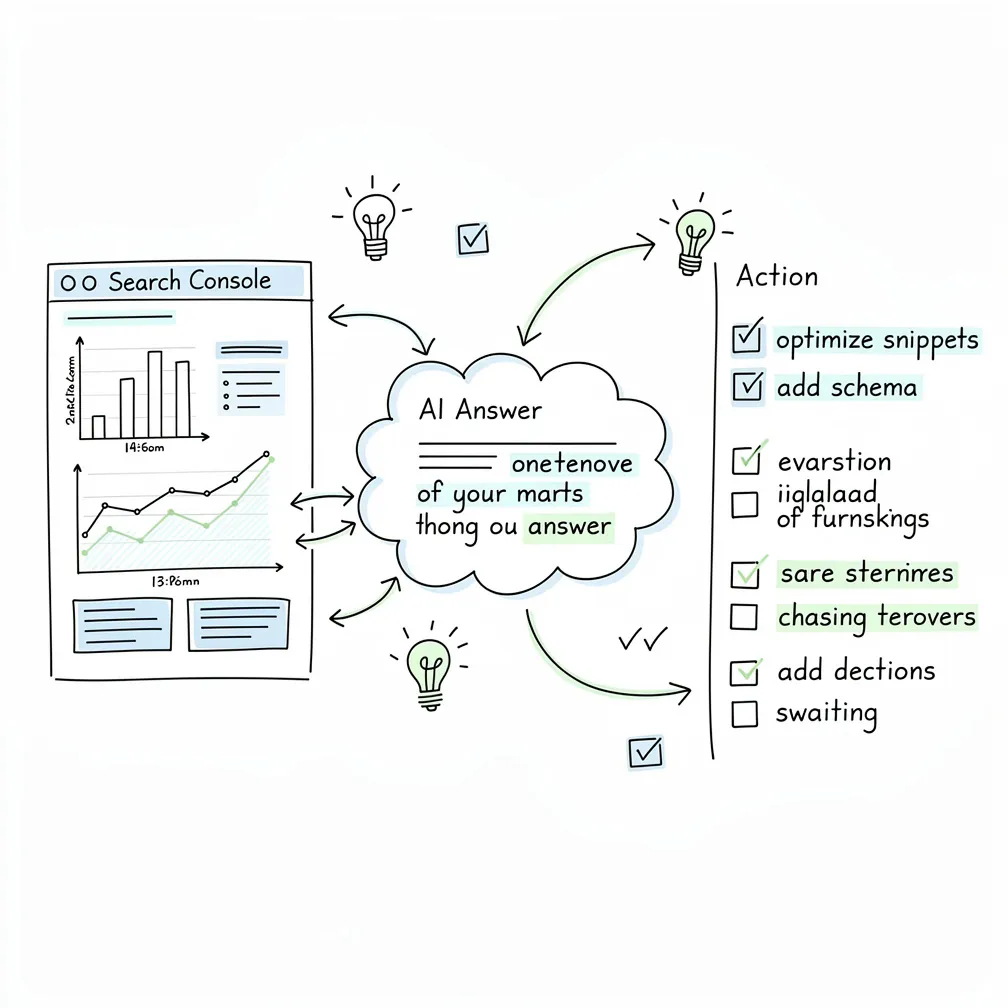
At the same time, Google has begun exposing more AI‑layer metrics and branded/non‑branded query segmentation inside Search Console and rolled out related features across AI Mode and Maps (Ask Maps). Those tools give publishers a clearer view of when their content is being surfaced or bypassed by Google’s AI layer — valuable context for interpreting drops in organic sessions that may actually be AI answer impressions.
Why this is important for traffic and measurement
AI Overviews and conversational AI surfaces reduce raw click‑throughs to the open web on many informational queries; early industry analysis shows AI answers are present on a large and growing share of queries and can materially impact organic CTR and referral volumes. If your site’s rankings look stable but sessions fall, AI citation dynamics (and where citations point) should be a primary hypothesis.
How the SEO community is reacting (notable X voice)
Search veterans such as Barry Schwartz (X: @rustybrick) have been tracking the AI Mode UI and citation behavior closely, calling out new AI Mode link cards, recipe widget behavior, and the broader traffic implications for publishers in his Search Engine Roundtable coverage. He’s advising teams to watch AI referral patterns and to test whether AI citations are sending users to Google pages or back to your content. Barry Schwartz (@rustybrick) on X.
Practical steps for marketers and content teams
- Enable branded vs non‑branded filters in Search Console — use the new split to separate brand demand from true organic discoverability and benchmark “real” reach vs. brand pull.
- Track AI impressions & citations — add AI visibility (AI Overviews / AI Mode mentions) to your regular analytics dashboard so you can correlate impression shifts with session changes.
- Audit high‑intent pages for answer readiness — make key pages concise, well‑sourced, and structured (clear H2s, short answer paragraphs, schema where appropriate) to increase the chance of being cited rather than excluded.
- Consider multi‑format assets — videos, structured product data, and authoritative local signals (for local intent) often show up more reliably in AI citations; diversify formats for critical queries.
- Monitor referral types from AI layers — AI Mode citations may route to Google Business Profile, organic search pages, or other Google surfaces; map where traffic is flowing and adjust measurement accordingly.
Short checklist for the next 30 days
1) Confirm Search Console’s branded query filter is visible for your property. 2) Add a metric for AI answer impressions (where available). 3) Run a 30‑day experiment updating 5 high‑value pages with concise answer snippets plus structured data and measure citation/CTR changes. 4) Log whether AI referrals include Google properties so you can report true downstream impact to stakeholders.
Conclusion
Mid‑March 2026 signals from industry studies and Google’s own Search Console updates show the search landscape is becoming more mediated by Google’s AI layer. That doesn’t make organic technical SEO irrelevant — it makes measurement and format strategy more important. Track AI citations, separate branded traffic, and optimize pages to increase the chance of being cited rather than bypassed.
Sources: industry coverage and analysis from Search Engine Journal, Search Engine Land and Search Engine Roundtable summarizing the March 2026 SE Ranking study and Google product rollouts.