

This article contains AI-assisted content and has been reviewed and published by a human editor.
What changed (quick summary)
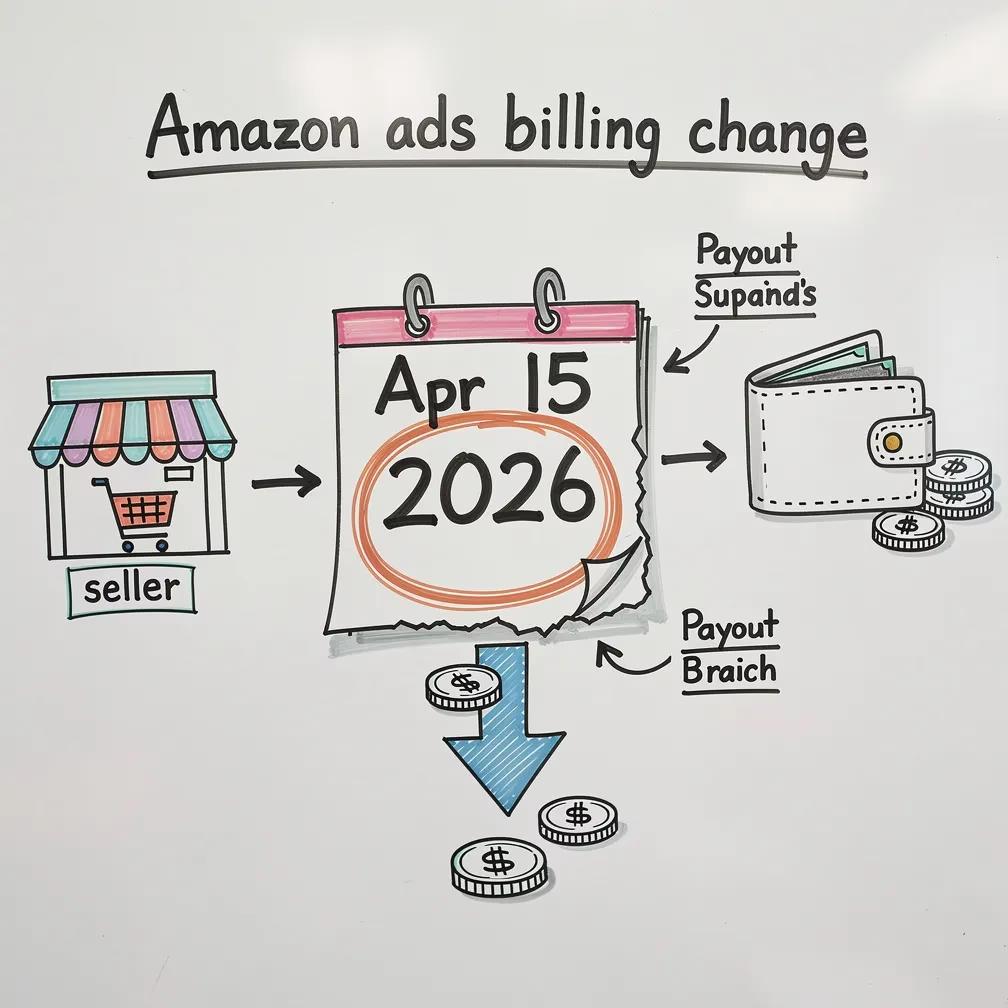
Amazon quietly notified Seller Central accounts that, beginning April 15, 2026, advertising costs will be deducted directly from seller retail proceeds before Amazon issues disbursements; credit and debit cards will remain only as backup payment methods if proceeds are insufficient. This was first circulated within the seller and agency community in early April and analyzed by Amazon marketplace specialists. For context and the primary industry write‑ups, see the coverage from PPC.land and MyAmazonGuy which documented the Seller Central notices and community reaction, and an e‑commerce advisory summary that breaks down the cash‑flow mechanics. Industry reporting has the full memo, and several Amazon‑focused agencies published practical breakdowns of the immediate impact. https://ppc.land/amazons-payment-grab-ad-costs-to-auto-deduct-from-seller-proceeds-april-15/?utm_source=openai))
Why this matters for marketers and agencies
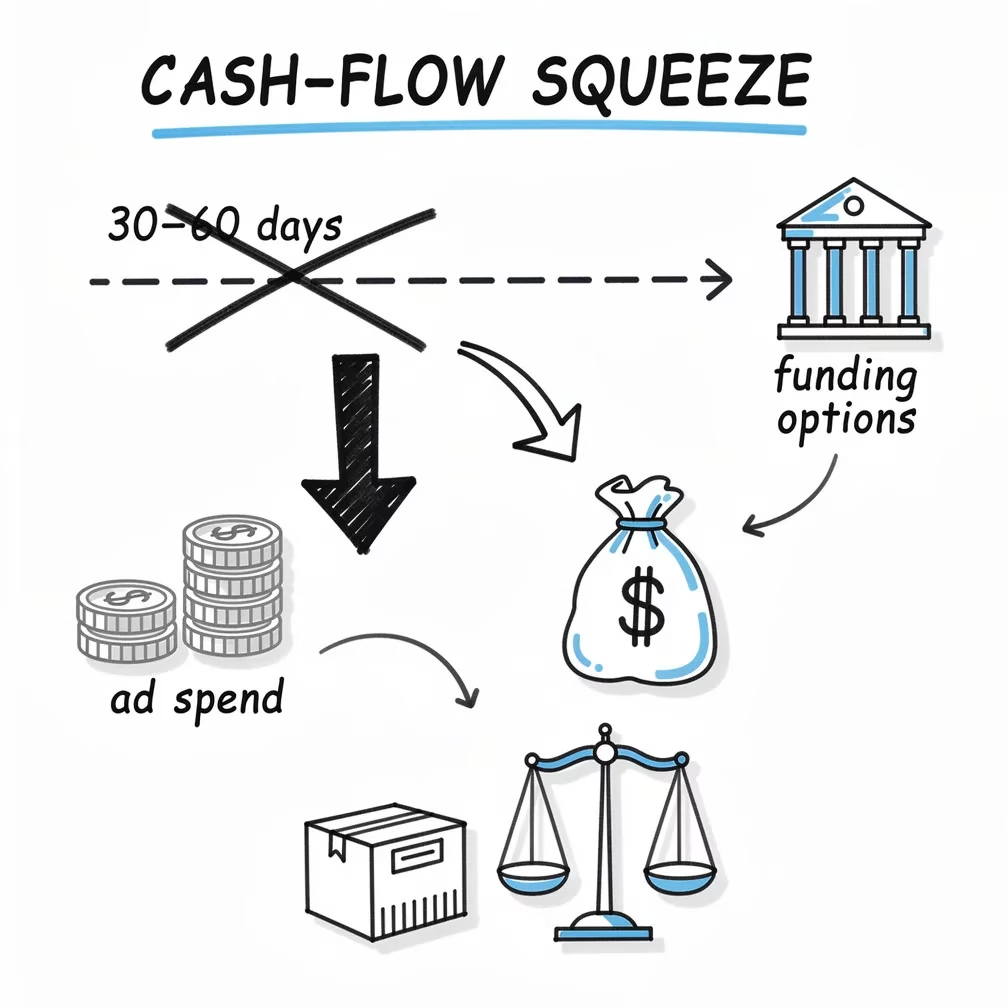
Operationally, the change removes an informal 30–60 day working‑capital buffer many sellers used to fund inventory, promotions, and ad ramps: previously ad spend was often billed to a credit card while Amazon held retail proceeds for 2–4 weeks, effectively creating deferred working capital; now that buffer is gone and ad spend will reduce the next payout almost immediately. That shift affects cash flow forecasting, bid pacing, and promotional timing — and it will show up as smaller mid‑month payouts rather than a card bill at month end. Agencies managing multiple seller accounts must update cash‑flow models and client briefings this week; coverage from Uncapped and agency posts highlights this urgency. Practical seller guides were published within days of the notification.
Immediate three‑step triage you should run this week
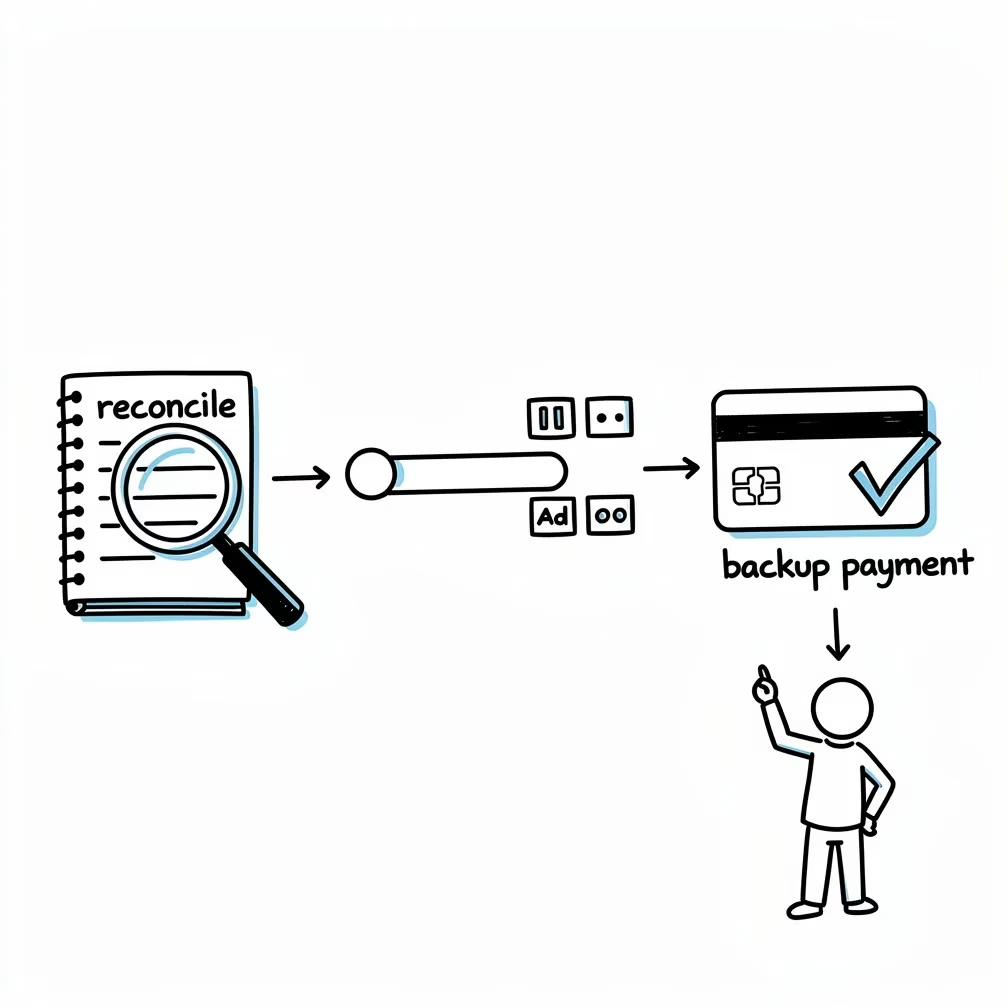
Do these three things in the next 72 hours: 1) Reconcile average monthly ad spend vs. proceeds on held disbursements to estimate the amount Amazon will net out of your next payout; 2) Set temporary tighter ROAS/ACoS thresholds and pause low‑performing campaigns to preserve cash while you rebaseline; 3) Confirm backup payment methods and update billing ownership to avoid unexpected declines if proceeds are low. The MyAmazonGuy analysis and multiple agency advisories lay out the reconciliation steps and emphasize checking the Seller Central Payments report now rather than later. Step‑by‑step reconciliation advice appears in those community posts.
Practical playbook: finance, media ops, and client communications
Finance: update cash‑flow forecasts to show the April 15 timing hit and model a conservative 30%–100% of monthly ad spend being deducted from mid‑month payouts until you have a new steady state. Media ops: lower daily pacing or move budgets to manual where you need predictability; set alerts for payout size drops. Client communications: send a one‑page explanation that quantifies the expected reduction to the next disbursement and lists the immediate campaign controls you’re instituting. The agency and lender community posts explain how sellers lost the effective card float and why lenders like Uncapped began pushing short‑term offers in response. This article summarizes the financial mechanics and why Amazon implemented it.
Fast checklist (copy into your project board)
| Action | Owner | When |
|---|---|---|
| Run 90‑day ad‑spend vs proceeds reconciliation | Finance / Ops | Today |
| Set temporary ROAS/ACoS minimums and pause underperformers | Media Buyer | 24–48h |
| Confirm backup payment method & billing owner | Account Manager | Today |
| Send client notice + cash‑flow impact table | Client Lead | 24h |
Longer‑term implications and recommended policy changes
Expect three structural impacts: 1) tighter short‑term liquidity for sellers that will push more businesses to external working‑capital or invoice financing; 2) reduced incentive for agencies and sellers to pay ad spend on reward‑earning cards; and 3) an operational simplification for Amazon that improves its cash conversion but transfers timing risk to sellers. Agencies should add billing timing as a line item in retainer agreements, and finance teams should renegotiate inventory purchase windows to avoid stockouts or missed promotional opportunities. Several advisor posts note lenders are already marketing solutions to affected sellers; review those offers carefully against cost of capital. Financing advisories and community analysis give additional scenario modelling examples.
What to monitor in the next 30 days
Monitor (1) your April 15 disbursement vs. projected amount, (2) any system messages in Seller Central confirming the $2,500 promotional credit Amazon said would be applied to affected accounts, and (3) whether Amazon expands this billing change internationally. Vendor and community posts indicate Amazon applied a one‑time credit to soften the transition; confirm it has arrived in your account and document expiration/consumption rules. For real‑time community reporting and walkthroughs, several Amazon seller blogs and agencies posted immediate guidance and reconciliation templates the week the change circulated. Account reconciliation guides remain essential reference material.
Bottom line: don’t assume your April payout will match historical norms — act now. Run a reconciliation, tighten media controls, communicate to stakeholders, and if necessary, engage short‑term liquidity solutions before April 15 to avoid inventory or fulfillment disruptions.
