This article contains AI-assisted content and has been reviewed and published by a human editor.
What happened
In early March 2026 Google announced an asset-optimization update for Performance Max that will automatically generate AI voiceovers for eligible video ads and save them as new assets, unless advertisers opt out before the deadline. Industry coverage.
How the AI voiceover works
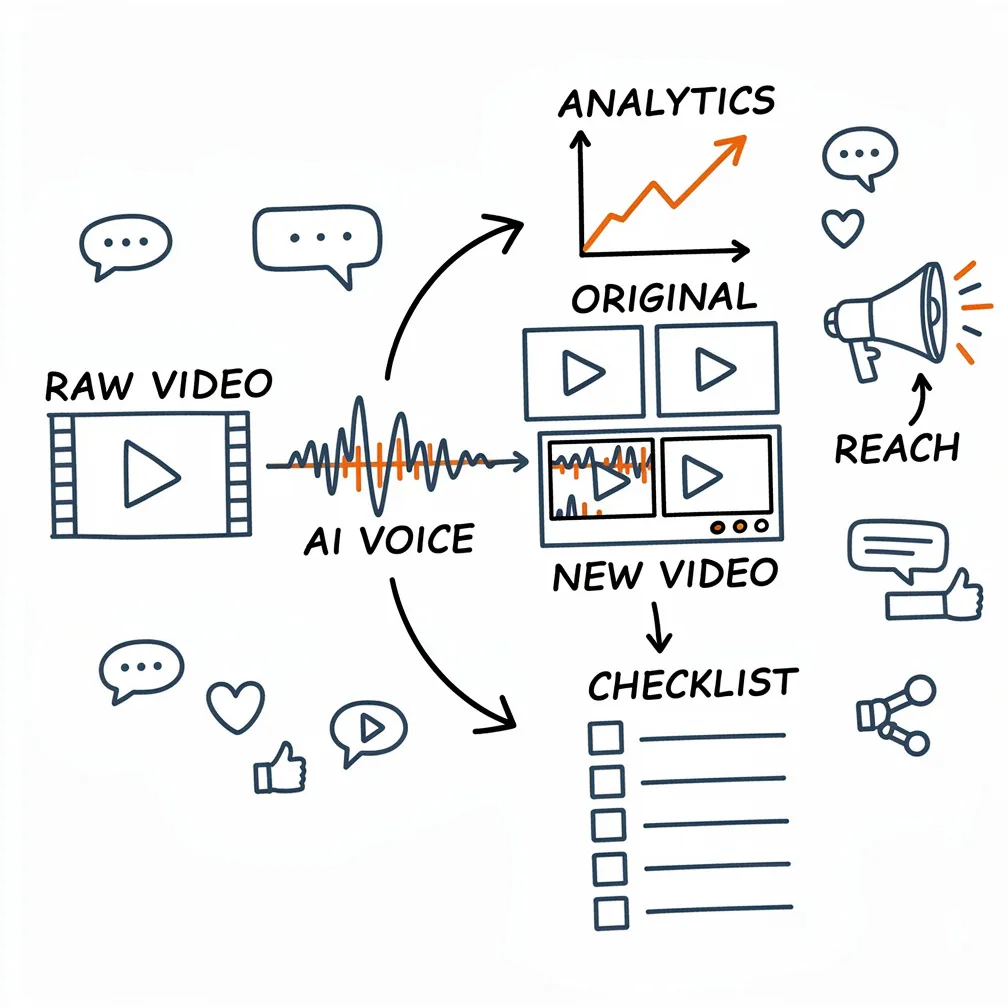
The system looks for videos that don’t already contain spoken narration, pulls text from your asset group (headlines and descriptions), synthesizes a realistic voice track using Google’s AI models, then layers that audio onto the original video and stores the result as a new asset in the campaign library. Reporting and examples.
Key deadline and where to opt out
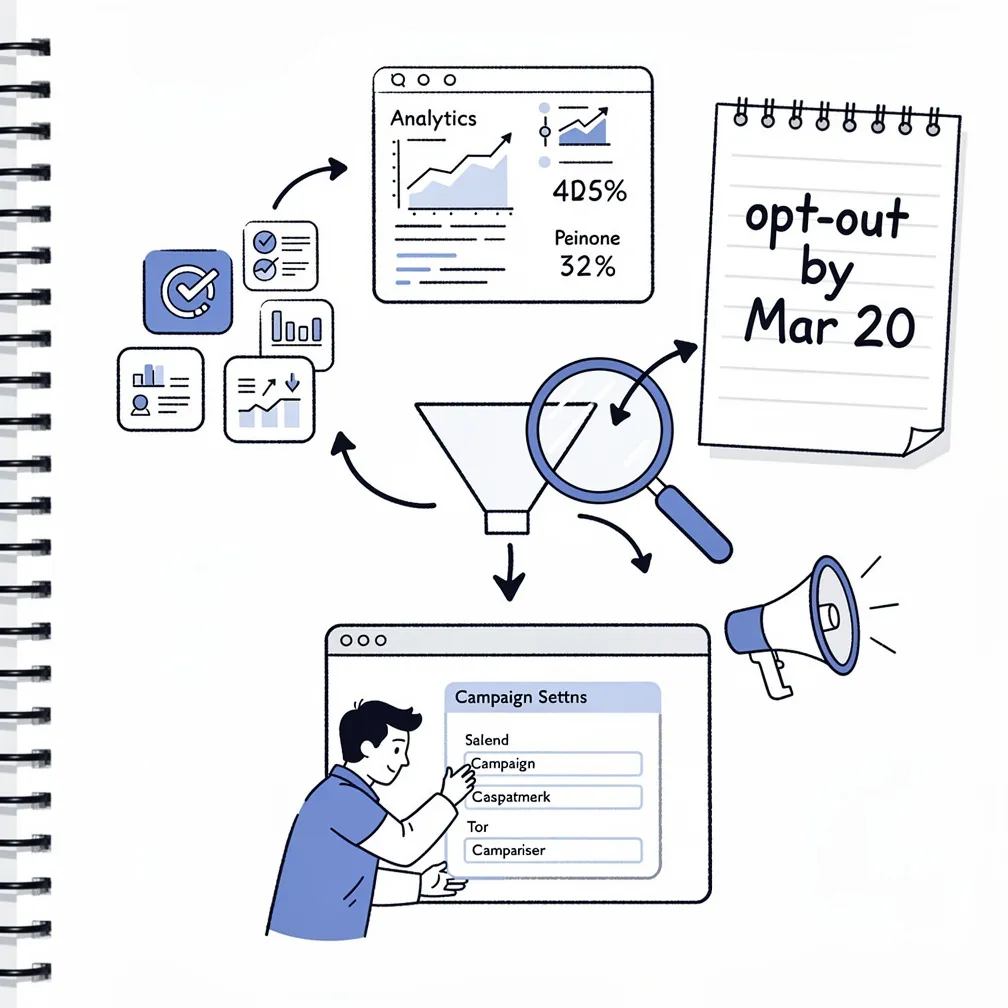
Google set an opt-out window that closes on March 20, 2026 — accounts with video enhancement enabled will become eligible to serve voice‑enhanced versions after that date. You can manage the setting at the campaign level under video enhancement controls in Google Ads. Google Ads help pages explain video enhancements.
Why this matters for brands and agencies
Default-on automation shifts creative control: small brands or regulated categories risk unexpected messaging changes if synthesized narration misrepresents tone, legal copy, or claims. Google frames the change as a performance improvement, but advertisers should weigh any incremental lift against brand voice, accuracy, and disclosure requirements.
Industry reaction (notable X account)
Search and ads veterans have already flagged the rollout. Barry Schwartz (@rustybrick) covered the update on Search Engine Roundtable and has urged advertisers to review video enhancement settings and opt out where brand control matters most. Coverage on Search Engine Roundtable.
Practical checklist for paid-media teams
- Audit: identify Performance Max and Demand Gen asset groups that include silent or music-only videos.
- Decide: determine brand-safe categories where AI narration should be disabled (legal, healthcare, finance, regulated claims).
- Opt-out or opt-in: toggle the campaign-level video enhancement control before March 20 for accounts that cannot accept automatic narration. Use Google Ads editor or the web UI. ([support.google.com](https://support.google.com/google-ads/editor/answer/30570?hl=en-gb&utm_source=openai))
- Test: where you do use AI voiceovers, create A/B comparisons and review the generated script for accuracy and compliance.
- Document: log decisions and settings for audits and future creative governance.
Final thoughts
Google’s new AI voiceover feature can speed creative scale and improve engagement, but its default-on design makes prompt review essential. Marketers should act now — check campaign settings, decide where automation is acceptable, and document the choice so voice and brand safety remain under control.
Quick action: open your Google Ads account, navigate to Performance Max asset groups, and confirm your video enhancement setting before March 20, 2026.