This article contains AI-assisted content and has been reviewed and published by a human editor.
What happened
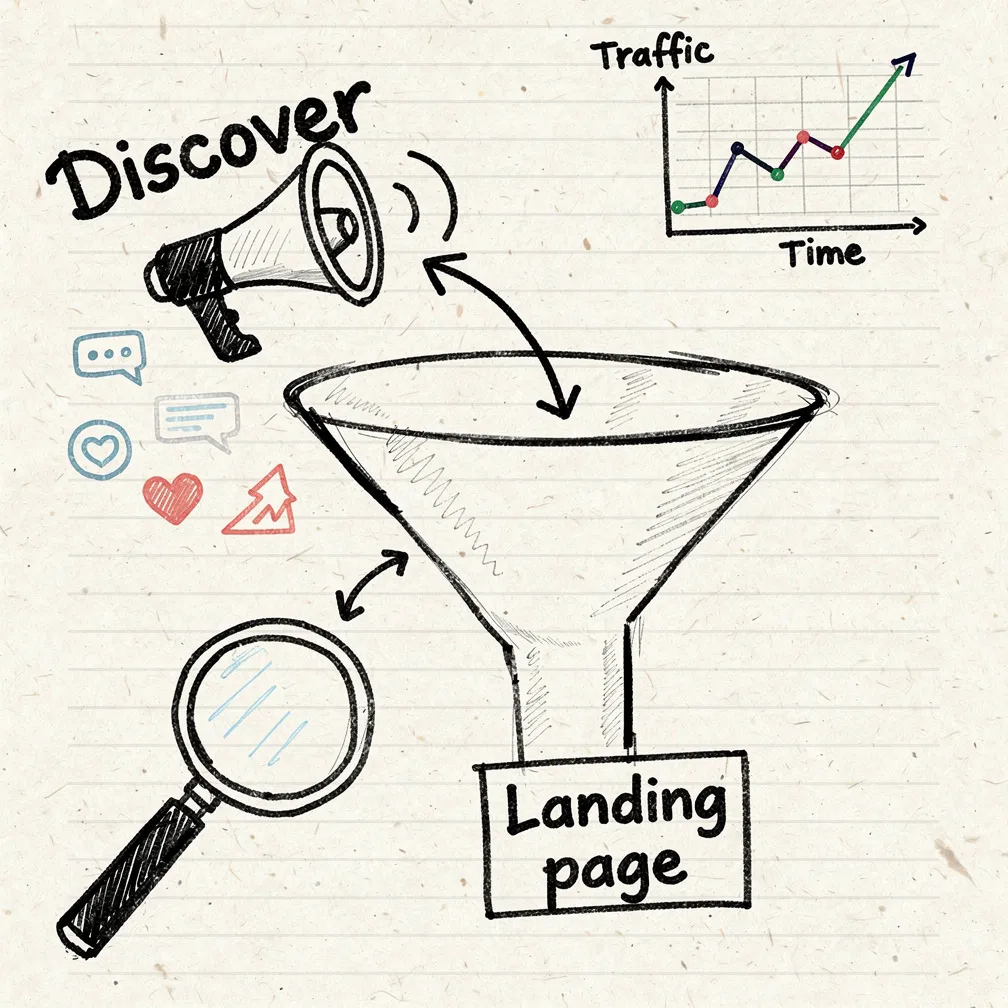
In early February Google rolled out a Discover-focused core update that finished deploying by the end of February; the change reshaped which stories and cards appear in the Discover feed and emphasized local relevance, fewer clickbait headlines, and stronger topic-level expertise. Search Engine Land’s coverage summarizes Google’s public guidance and early impacts.
Why this matters to marketers
Although the Discover update targets the personalized mobile feed rather than traditional organic search rankings, publishers and advertisers began seeing ripple effects in March: some accounts reported drops in landing-page experience scores, Quality Score changes, and higher CPCs for previously stable keywords. Industry monitors note that the Discover shift has increased volatility and redistributed visibility among domains. Search Engine Roundtable and third-party trackers show the rollout completed late February and flagged measurable redistribution in feed placements.
Reports from advertisers and publishers
Paid-search practitioners began sharing real-world symptoms in discussion forums and market analysis: sudden Quality Score declines, landing-page experience downgrades, and rising CPAs on campaigns that had been stable. Community threads and market commentary connect those performance shifts to stronger UX and expertise signals bleeding into ad evaluations. Recent industry reporting aggregates advertiser complaints and early data about mounting auction friction.
How the Discover changes can affect paid campaigns
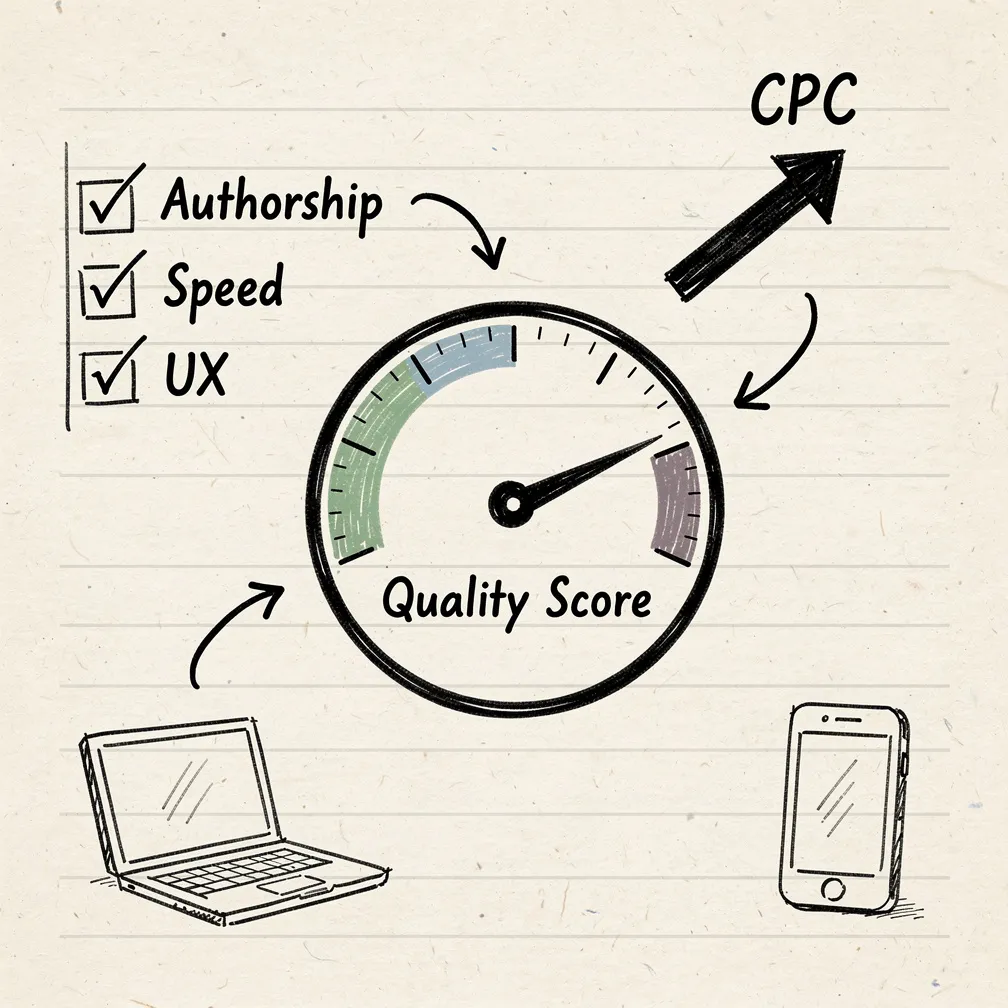
Google’s feed changes emphasize trust, topical authority, and context. For advertisers that rely on thin landing pages (heavy AI-copy, weak authorship, few trust signals, or poor Core Web Vitals), the same signals lowering a publisher’s Discover visibility can also reduce landing-page experience scores inside Google Ads. That in turn lowers Quality Score and raises CPCs even when bids and targeting haven’t changed. Analysts point to updated guidance on authorship and experience as one important signal to address.
Notable discussion on X
Barry Schwartz (@rustybrick) has been one of the most active commentators, reporting the Discover rollout and noting domain consolidation and traffic winners/losers; his coverage emphasizes that the update finished rolling out and that publishers should expect both immediate losses on low-value sites and gains for narrow-topic experts. His reporting has been widely cited by SEO and publisher communities.
Practical checklist to diagnose and recover (for paid & organic)
- Check landing-page experience diagnostics in Google Ads (Expected CTR, Ad Relevance, Landing Page Experience) and isolate keywords with falling scores.
- Audit on-page authorship and expertise: add clear bylines, author bios, and experience statements for pages that support paid campaigns.
- Eliminate “AI slop” signals: remove thin templated copy, add unique insights and first‑hand content, and surface product/service proof (reviews, dates, case studies).
- Fix speed and UX: prioritize Core Web Vitals, reduce intrusive elements, and ensure mobile form flows are friction-free.
- Match ad message to page: tighten ad-to-page message match to improve ad relevance and expected CTR quickly.
- Monitor traffic sources separately: compare Discover, Search, and paid landing metrics week-over-week to spot channel-specific shifts.
What publishers should watch on the feed side
Third-party trackers and early analyses show fewer distinct domains occupying top Discover placements and a relative rise in posts from authoritative institutional accounts; some observers also note that X-origin content has increased in certain feed slots, which can change referral paths and CTRs to publisher-owned pages. If your content strategy depends on Discover, prioritize topical depth and local relevance rather than broad, fast-published listicles. Early domain-level analysis helps illustrate the scale of consolidation being reported.
Quick recovery timeline and final notes
Recovery depends on the fixes you make: technical UX improvements can help within days; rebuilding topical authority and verified authorship may take weeks. Google recommends monitoring performance for at least one full week after an update stabilizes before drawing conclusions. For paid campaigns, triage the highest-CPA ad groups first, then broaden site-level fixes.
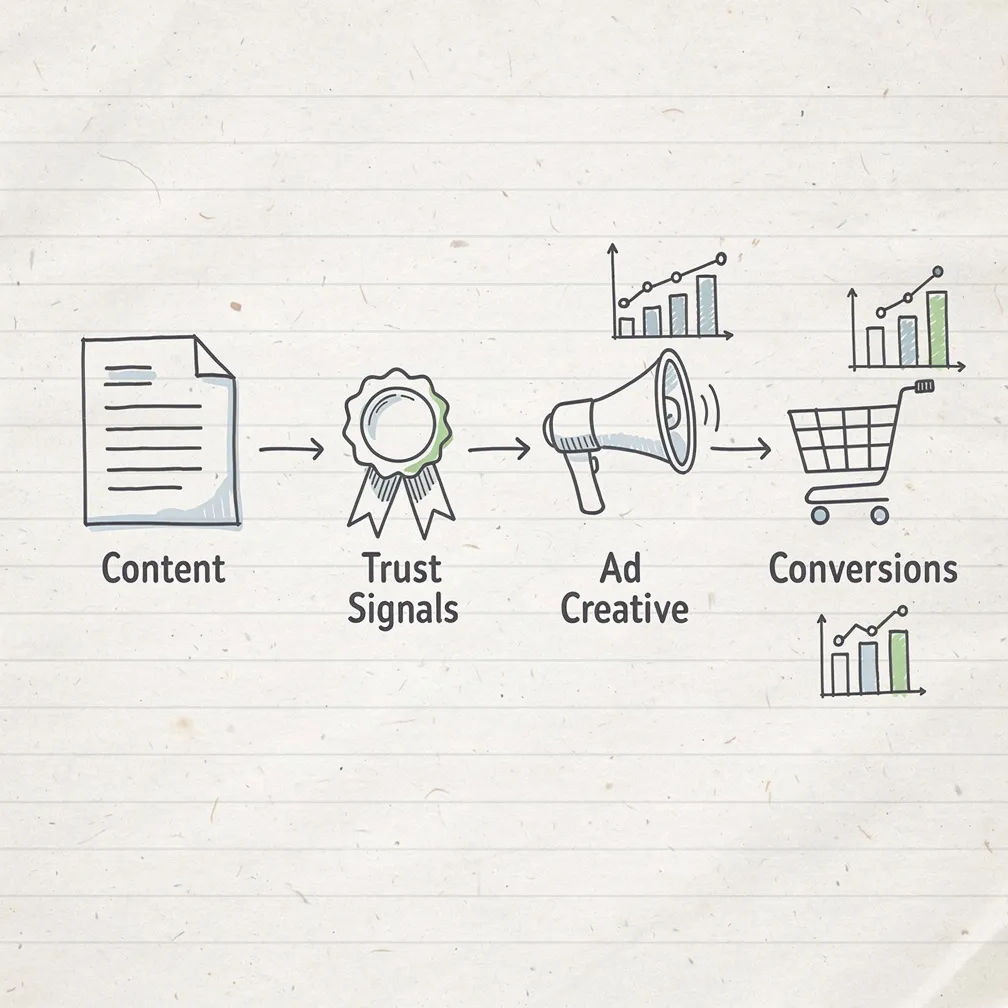
Conclusion: The February–March 2026 Discover changes are a clear reminder that content quality, authorship, and UX now influence both discovery and paid outcomes. Treat landing pages as a shared asset between SEO and paid teams: speed, trust, and original expertise are the fastest levers to reduce Quality Score risk and restore efficient performance.