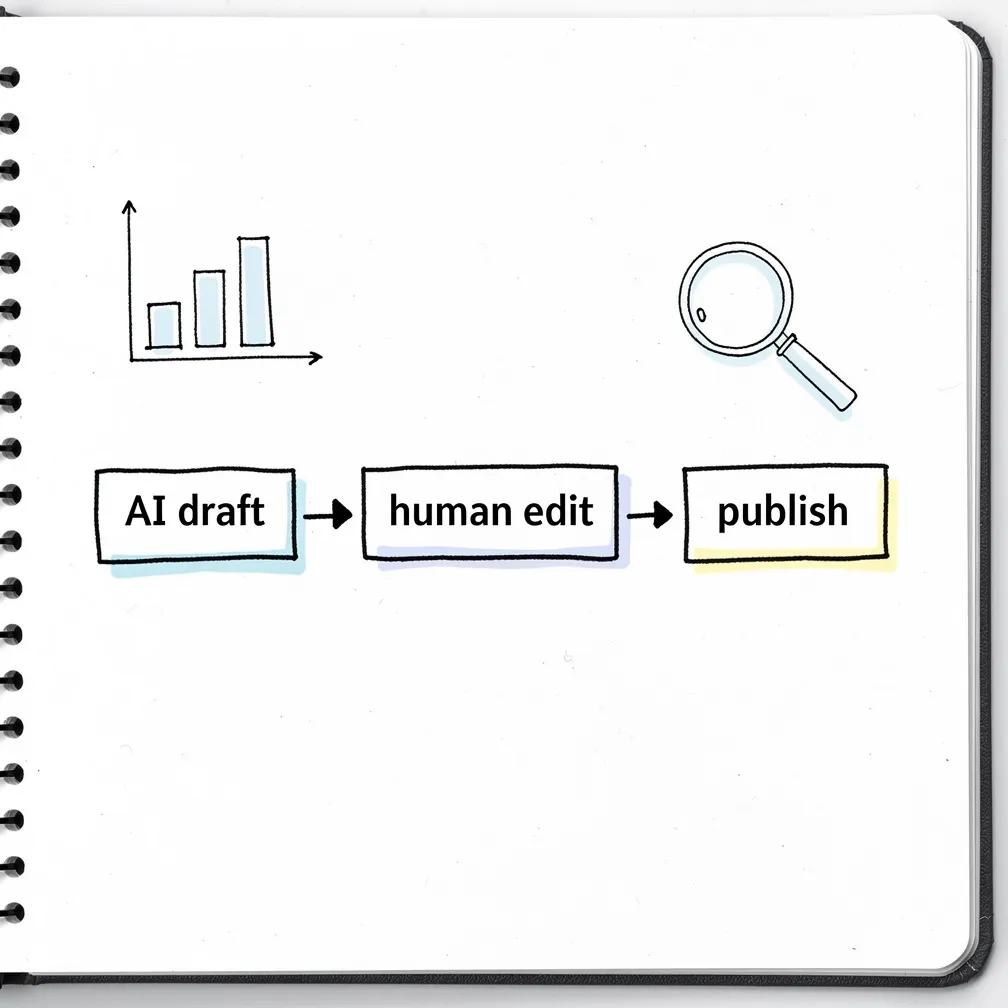
This article contains AI-assisted content and has been reviewed and published by a human editor.
What happened in mid‑March 2026
Google rolled out a broad algorithm change in early March that industry trackers called one of the most consequential quality updates since the original Helpful Content effort; initial analyses reported large visibility shifts for sites that relied on scale‑produced or lightly edited AI content. Read a detailed timeline and early impact analysis in an independent report of the March 2026 core update for a granular play‑by‑play of the rollout.
What Google is emphasizing now
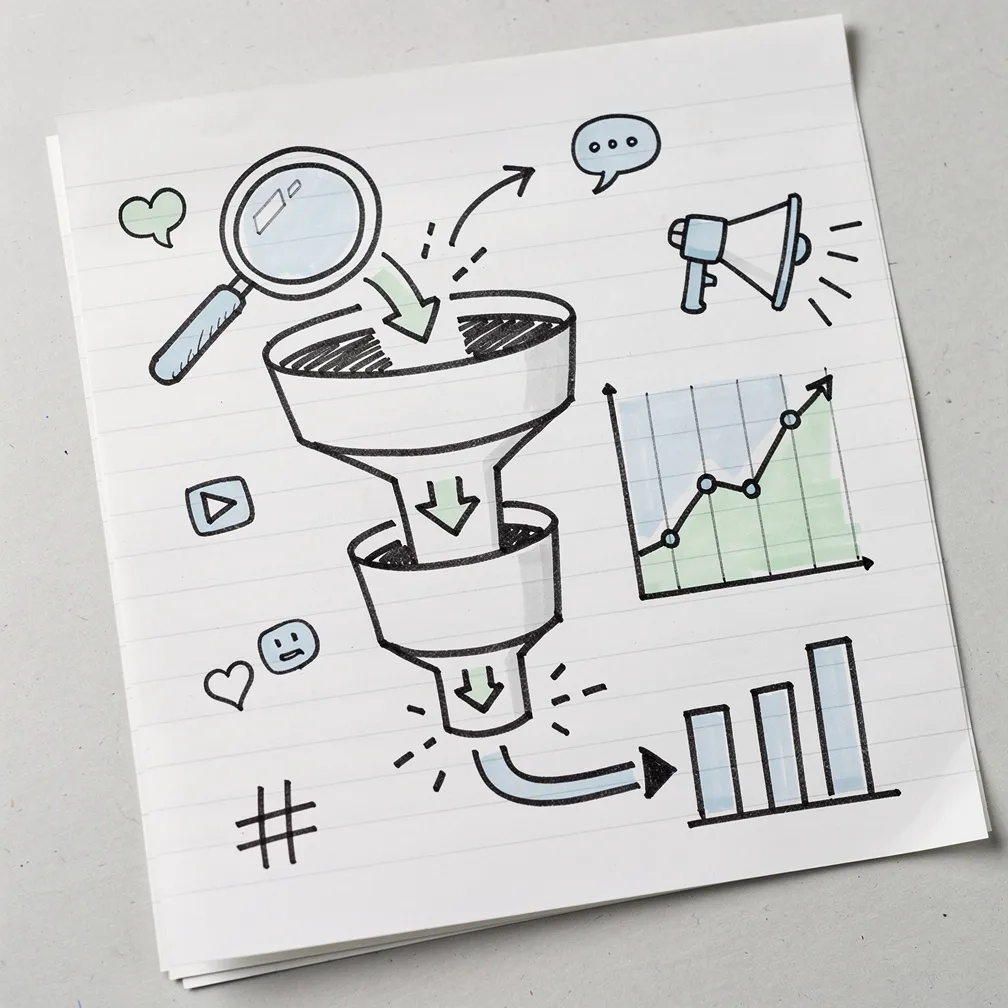
The update refocuses ranking signals toward demonstrable experience, author credibility and original, first‑hand material while devaluing thin “filler” and mass‑produced AI output. Summaries of Google’s public guidance and practical takeaways for publishers were published for businesses and SMBs; see a concise briefing on how the announcement affects small sites in coverage for small businesses.
Why this matters for marketing and content teams
For content marketers, SEO teams and agencies, the change means automated content factories and templateized listicles are higher risk: search visibility now rewards unique data, case studies, original visuals and verifiable author expertise. Practical recovery patterns and remediation guidance have been compiled by practitioners who tracked drops and recoveries across sectors; one recovery guide that outlines content audit steps is available from an industry recovery guide.
Immediate actions: a four‑step checklist
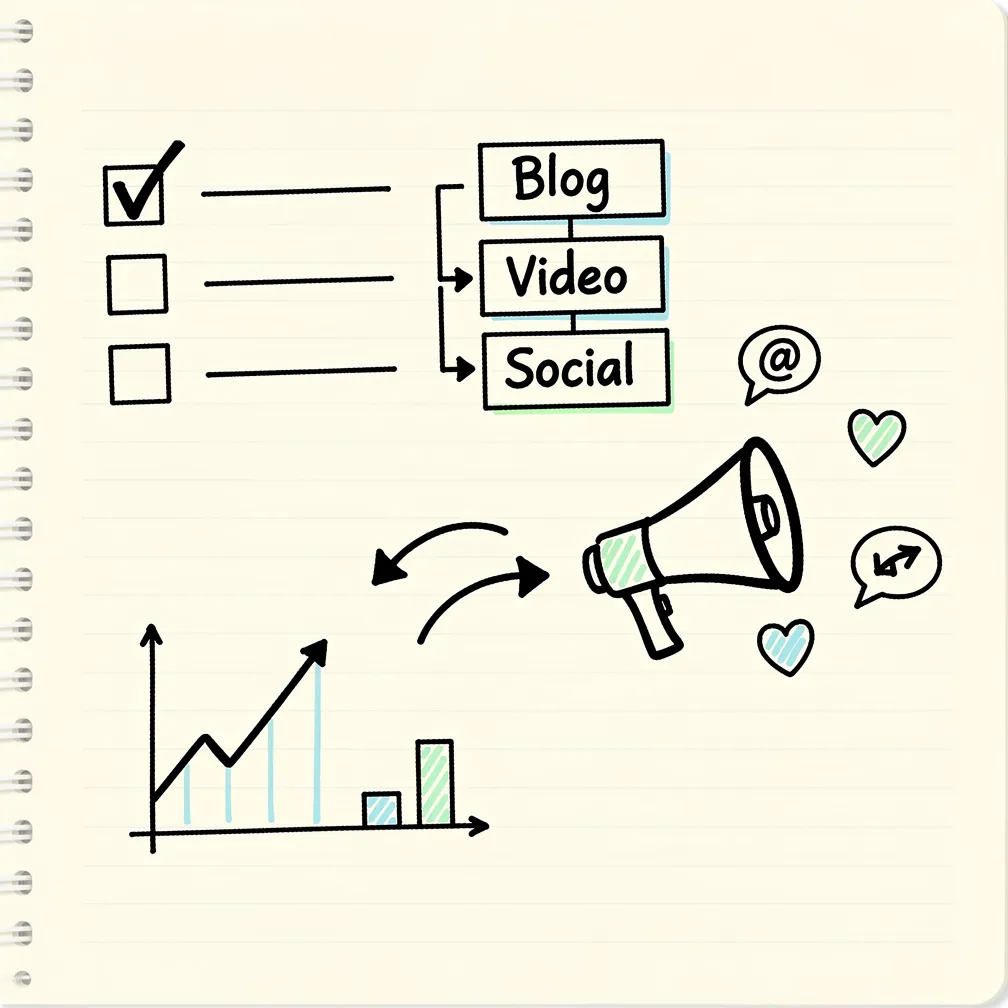
Start with a targeted audit: (1) identify low‑value pages and content clusters, (2) add first‑hand experience or remove filler pages, (3) implement author schema and bylines for expert content, and (4) consolidate or redirect thin pages. Detailed explanations of the signals to watch (E‑E‑A‑T, engagement metrics, and original assets) and examples of what to prune or strengthen are discussed in independent analyses of the March rollout; one technical analysis highlights the new paragraph‑level granularity Google uses when judging helpfulness. See the analysis explaining paragraph‑level assessment for how small sections of an article can now affect the whole page.
Implications beyond SEO: creators, personalization and ads
Marketing stacks that rely on automated creative generation should treat AI as a productivity tool, not a publishing shortcut. Advertisers using AI for creative and Performance Max-style automation should add human review gates, stricter brand controls and unique landing experiences to preserve conversion performance. Early reports of Google adding campaign controls and guidance for AI‑generated ad text underscore the need for tighter oversight in ad workflows; industry summaries of those ad‑platform changes appeared alongside the search update reporting. Industry trackers explain how ad and landing‑page alignment became more important.
What leading SEOs are saying on X
SEO consultant Marie Haynes (X: @Marie_Haynes) has emphasized that the update is not a blanket ban on AI but a stricter reward for content showing real expertise and unique experience; she advises publishers to add verifiable author information, original data and troubleshooting sections rather than publishing bulk AI drafts. Her ongoing resource list and commentary collecting update developments are summarized on her site and have guided many publishers through remediation. Marie Haynes’ resource page compiles her observations and recommended signals to prioritize.
Quick checklist for the next 30 days
- Run a content inventory and flag low‑value pages for consolidation or improvement.
- Add clear author bylines, credentials, and first‑hand evidence where possible.
- Prioritize unique visuals, original data and case studies for high‑value pages.
- Ensure landing pages tied to paid campaigns deliver a distinct experience from ad copy and are not thin mirrors of AI‑generated ad text.
Google’s March 2026 changes make quality, authoritativeness and originality measurable priorities for search and marketing performance. Teams that combine AI productivity with rigorous human oversight and unique, experience‑based assets will be best positioned to recover or grow traffic.
Conclusion: Treat AI as an assistant, not the final publisher — audit, add original proof, expose author expertise, and consolidate thin content to align with the new March 2026 signals.