This article contains AI-assisted content and has been reviewed and published by a human editor.
What happened in March 2026
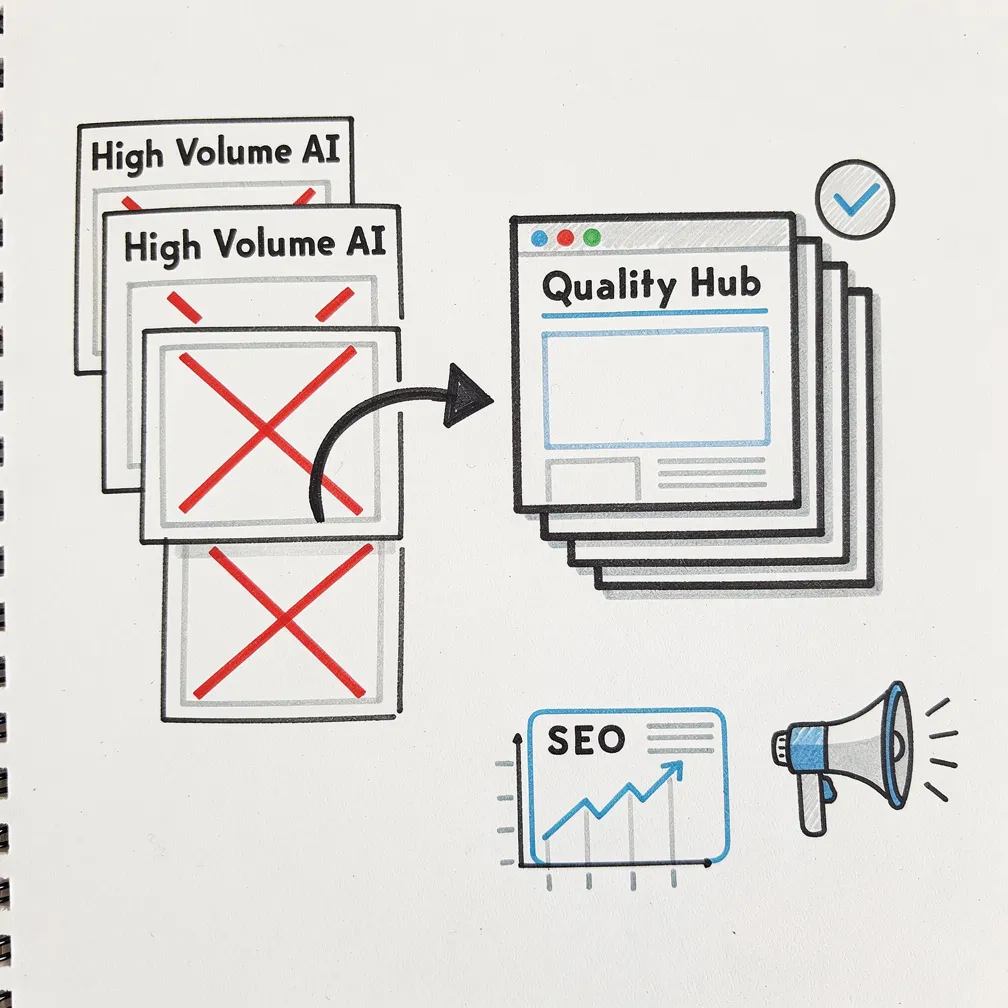
The SEO ecosystem saw a major quality-focused core update that began in early March and a targeted spam update during the final rollout window; the combined effect has hit large-scale AI content operations and thin affiliate pages while rewarding sites with original research and verified authors. According to an industry analysis by PxlPeak, the core update rolled out over roughly two weeks and Google launched a spam update mid-rollout that further amplified penalties for low-value, scaled content PxlPeak’s report.
Key signals that changed
Early measurements from the field show four meaningful shifts: (1) stronger weighting of author/entity signals, (2) penalties for abnormal content velocity that suggest large-scale automated publishing, (3) amplified topical-authority multipliers for cluster-style content, and (4) stricter freshness demands for YMYL pages. These patterns were highlighted in technical analysis and recovery playbooks circulated by SEO practitioners.
Why marketers should care
Search-driven traffic and conversion funnels depend on reliable, organic visibility; sites that used high-volume AI content as a growth lever are reporting dramatic traffic declines, while publishers that invested in first-party data and named expert authors are seeing gains. Industry coverage and webmaster summaries documented widespread volatility and publisher reports during the March window. Search Engine Roundtable’s March webmaster report offers a useful roundup of reactions and examples.
What a notable voice on X is saying
Barry Schwartz (@rustybrick) — who runs Search Engine Roundtable — has been chronicling the rollout and early fallout, urging site owners to treat the event as a long-term quality reset rather than a short technical fix; his coverage emphasizes diagnosis (which pages vs. domain-level issues) and prioritizing author and content provenance. This guidance mirrors the broader community advice to stop relying on volume-only tactics.
Practical action plan for content and SEO teams
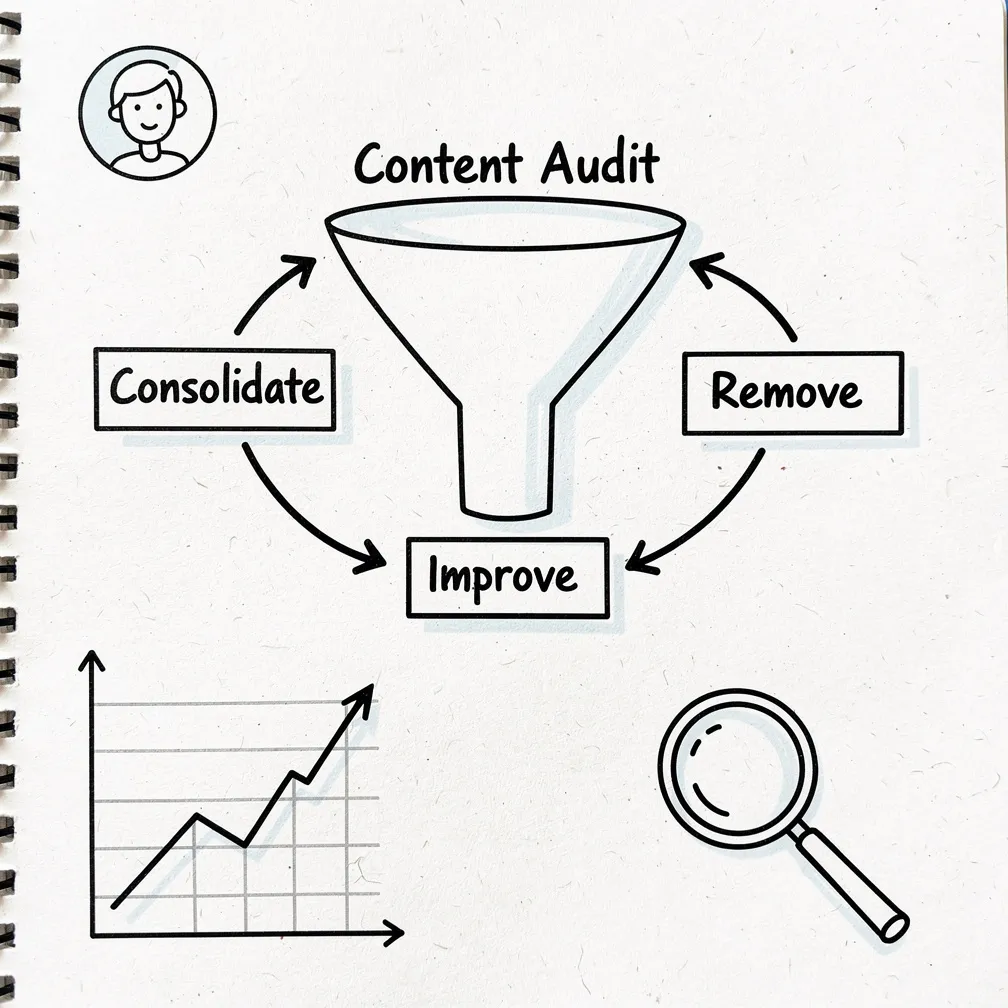
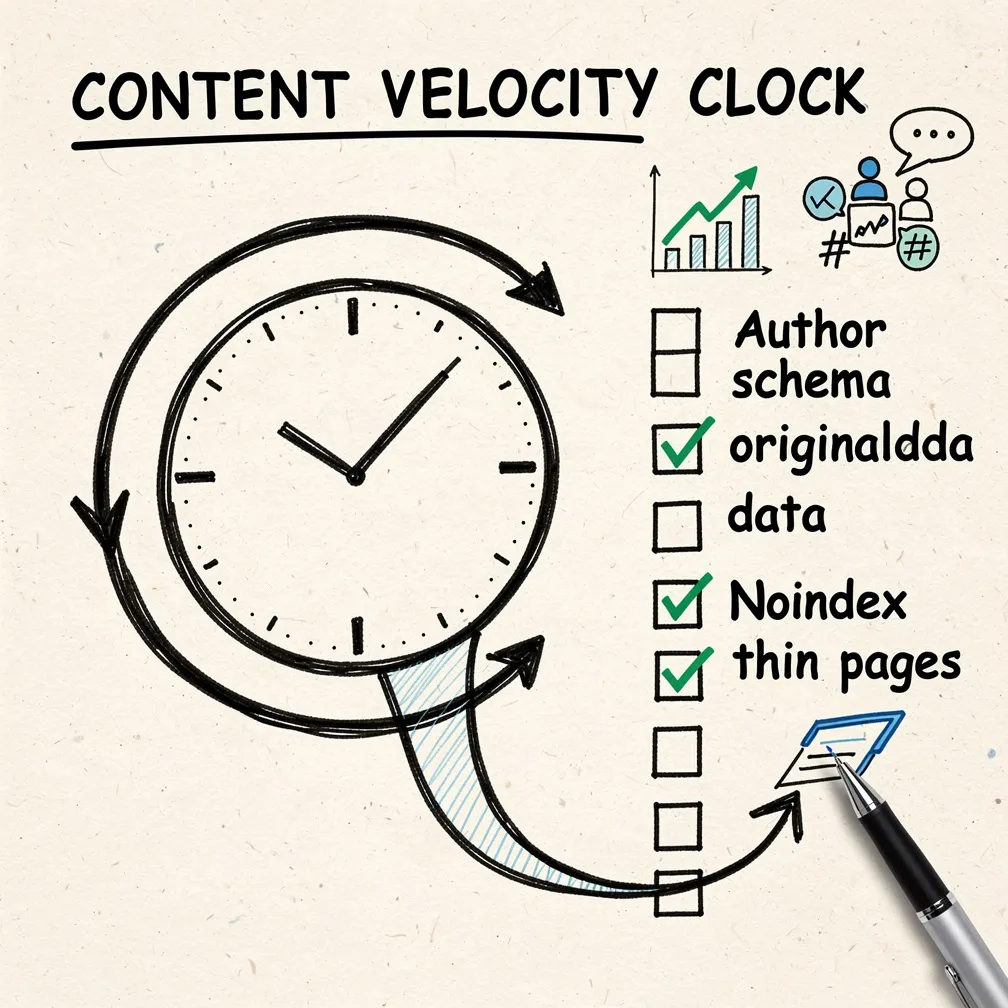
Start with a triage audit: identify pages with big drops, map them to content type (listicle, review, guide), then decide to consolidate, improve, or remove. Implement author pages with Person schema and sameAs links, add clear provenance for research or data, and reduce content velocity where publishing rate outstrips editorial resources. Marie Haynes and other practitioners have published detailed checklists for auditing YMYL and expertise signals; use those as a reference when prioritizing fixes. Marie Haynes’ resource list.
Technical and measurement checks
Use Google Search Console comparisons (pre-rollout vs. post-stabilization windows), inspect manual actions, and monitor impressions and clicks at page and category level. Tag content production changes in your CMS so you can correlate publishing velocity with ranking moves, and consider temporarily noindexing thin, low-performing programmatic pages until they can be consolidated or improved. Search Engine Land and other outlets have posted guidance for interpreting the March signals and recovery timelines. Search Engine Land analysis.
Ethics, trust and the role of AI in content
The update underlines a practical ethics tie-in: Google appears to reward demonstrable human expertise and provenance, not simply whether AI was used. Brands should be transparent about AI-assisted drafting where relevant, retain human subject-matter review, and focus on building trust signals (real author bios, primary data, case studies) that both users and platforms can verify.
Expected timeline and what to tell stakeholders
Recovery is rarely instant. Most sites that follow a disciplined audit-and-consolidate approach see improvements within one to three months, with fuller recovery potentially taking longer across successive algorithm cycles. Frame the work for stakeholders as quality investment rather than a quick SEO hack: fewer pages, higher trust, and clearer author provenance.
Conclusion
Google’s March 2026 core and spam moves make it clear: scale without expertise is a fragile strategy. Marketers should prioritize content that proves human experience and author authority, perform a pragmatic content triage, and measure improvements with GSC and server-side tagging. The payoff is more durable organic visibility and stronger customer trust.