

This article contains AI-assisted content and has been reviewed and published by a human editor.
What happened (short)
Last week Meta started removing advertisements on Facebook and Instagram that were explicitly trying to recruit plaintiffs for ongoing social‑media addiction litigation, a move the company says is part of an active legal defence strategy rather than a narrowly applied ad policy change. Coverage of the action and Meta’s statement is available in news reports summarising the announcement and broader litigation context. Reuters reporting summarises the removal and includes Meta’s quote that it will not allow trial lawyers to profit from the platforms while claiming they are harmful.
Why marketers should care
The change matters because it intersects three immediate risks for paid media teams: sudden inventory removals, retroactive policy enforcement that can freeze or disapprove existing creatives, and the reputational fallout of running ads that platforms deem legally sensitive. The action followed a spate of high‑profile jury rulings and state court activity that have put platforms under exceptional legal scrutiny; The Guardian reports related state‑level rulings and their potential to expand litigation exposure. State court coverage explains why platforms are reacting quickly to limit amplification of plaintiff recruitment.
Immediate operational impacts for agencies and in‑house teams
Expect three concrete operational shocks over the next 7–14 days: (1) rapid ad disapprovals or takedowns for any creative or placement that references litigation, harm, or client recruitment; (2) conservative manual reviews by Meta that slow approvals and increase dwell time on launching campaigns; and (3) spillover effects where platform sellers and third‑party networks tighten buy rules or block parallel categories (for example, legal lead gen). Reuters’ reporting notes that some of the removed ads came from major plaintiff firms and that similar ads continue to run on competitors’ platforms, which means cross‑platform monitoring will be critical. Read the coverage.
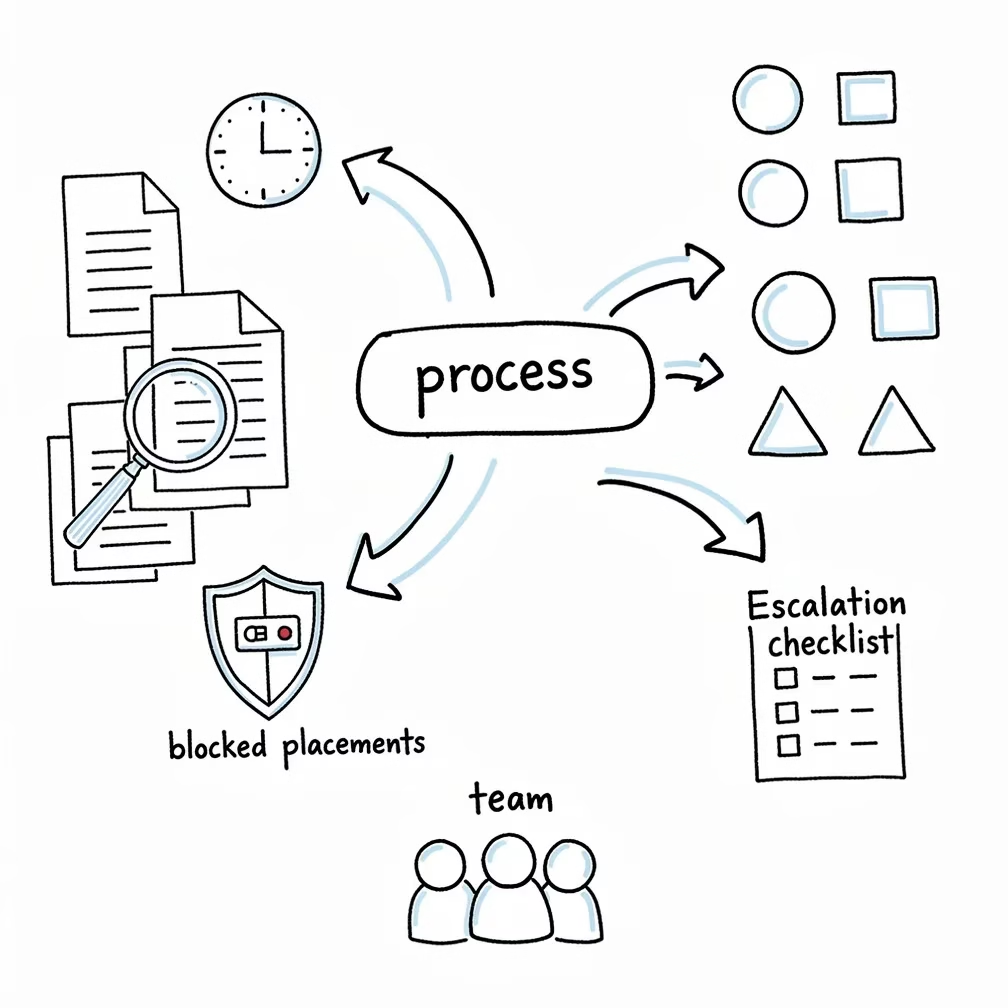
Practical checklist: what to change this week
Use the following checklist to harden campaigns and avoid surprises. Each item is actionable within 48–72 hours for most teams:
- Audit active creatives and landing pages for any language that mentions litigation, class actions, addiction, or recruitment; pause anything with a legal call‑to‑action.
- Update placement blacklists in ad platforms to exclude high‑risk surfaces (e.g., Audience Network, third‑party placements) until policy clarity returns.
- Deploy negative keyword lists and blocked topics in search and social buys to reduce accidental matching to legal queries.
- Alert finance and forecasting teams: expect temporary CPM/CPV/CPA volatility if demand shifts away from Meta inventory.
- Designate an escalation owner — ad ops + legal + PR — to handle any ad takedown notices and to request reviews where appropriate.
How brand safety and legal teams should coordinate
Legal teams must be looped into campaign approvals for anything that mentions injury, causation, or litigation; media teams should add an explicit legal review gate to the creative workflow. Platforms have indicated they will act to avoid advertisements that amplify ongoing suits; Reuters and industry outlets report the removal as a defensive measure by Meta, not solely a change to a narrow ad taxonomy. To reduce downstream risk, agree on clear copy rules (no solicitation language, avoid phrases like “you may be eligible” or “file a claim”), and maintain audit logs for any appeals. Cybernews summarises the platform statement.
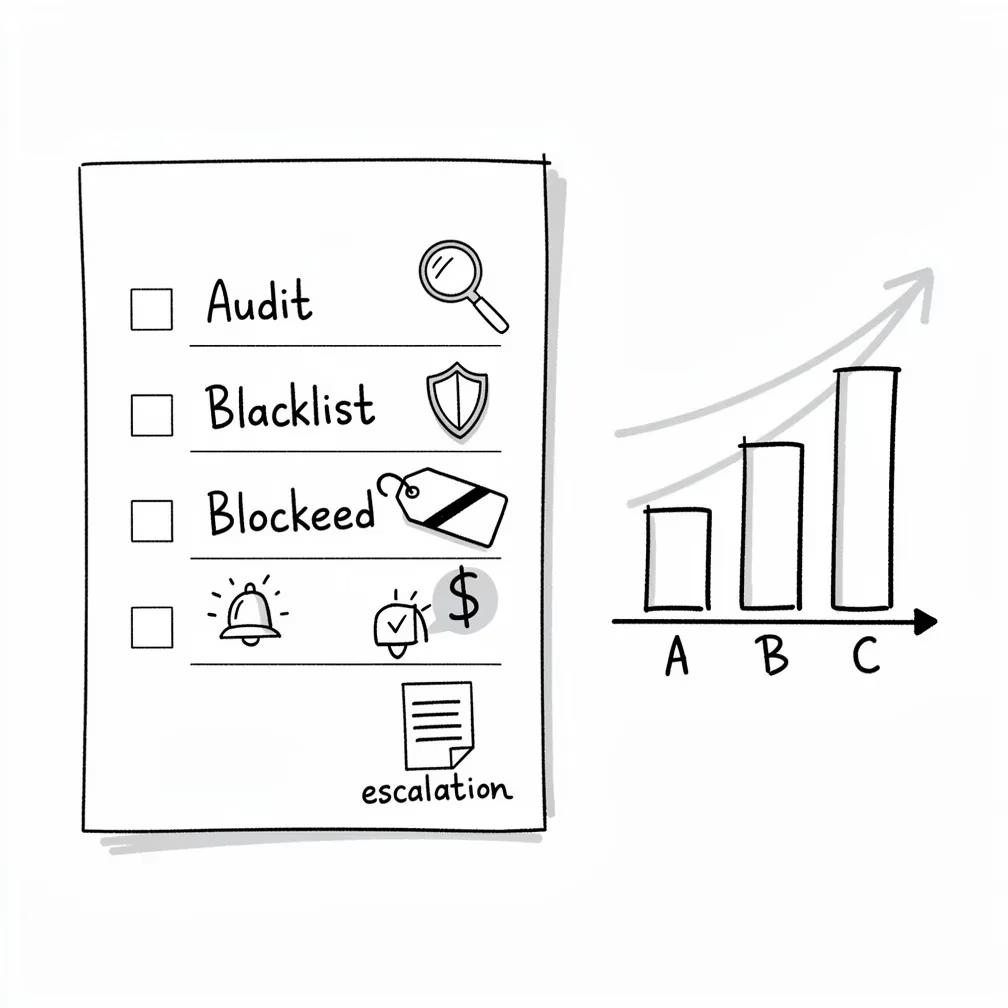
Media strategy adjustments and bidding guidance
Short term, expect CPMs or available impressions on Meta to tighten for categories associated with legal services and related search queries. Diversify by increasing budget share to alternative channels (search, connected TV for brand, programmatic direct) and rapidly test substitution placements. If you buy by audience, consider temporarily raising bid caps and expanding lookalike thresholds to maintain reach while recovery and review occur. Agencies that run legal lead generation should proactively contact platform reps and request written policy guidance for the specific creative types they use.
PR, messaging and stakeholder communication
This is a reputational event as much as an ad‑tech one. If your client’s category is adjacent to the litigation (youth wellbeing, education, mental health, or legal services), prepare external communication templates and a holding statement that explains why ads were paused and what steps you took to comply. Internal stakeholders — finance, legal, executives — should receive a one‑page brief with expected timeline, immediate cost impact, and next steps for appeals or creative edits.
Bottom line: treat legal ad removals as a new monitoring signal
Platform decisions driven by litigation risk move faster than regulatory changes — and the recent Meta takedown shows that platforms will act pre‑emptively when high‑stakes lawsuits attract public scrutiny. Agencies and in‑house teams must treat legal‑related ad categories as dynamic: add explicit monitoring rules, tighten approval workflows, and diversify media plans now to reduce the chance of last‑minute budget disruption. For background on why platforms feel pressured to move quickly, see reporting on recent state and jury actions. State court background and related industry coverage.
